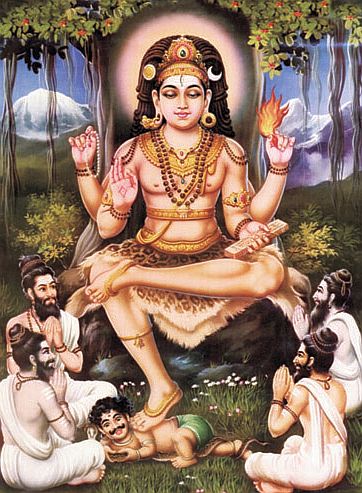
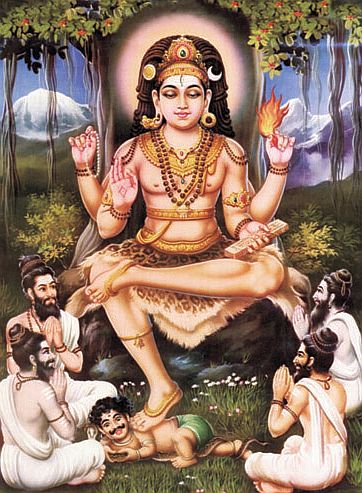
দক্ষিণামূর্তি স্তোত্রম্ is one of the most concentrated Advaita Vedanta hymns in the stotra tradition, composed by Adi Shankaracharya. It praises Shiva as দক্ষিণামূর্তি, the south-facing guru who teaches the truth of Brahman through silence. The hymn is not merely devotional praise; it is a poetic map of the Upanishadic vision that the world appears through মায়া, while the Self is ever the one non-dual consciousness.
Adi Shankaracharya composed this stotram as a teaching-hymn, not merely as an emotional prayer. Its compact verses turn the guru icon of Dakshinamurti into a complete Advaita classroom: silence, চিন্মুদ্রা, dream, mirror, deep sleep, and তত্ ত্বং অসি all become teaching devices. The later মানসোল্লাস commentary by Sureshvaracharya shows that the tradition received this hymn as a serious Vedantic text worthy of detailed study.
শাংতিপাঠঃ
ওং যো ব্রহ্মাণং বিদধাতি পূর্বং
যো বৈ বেদাংশ্চ প্রহিণোতি তস্মৈ ।
তং হ দেবমাত্মবুদ্ধিপ্রকাশং
মুমুক্ষুর্বৈ শরণমহং প্রপদ্য়ে ॥
Translation (ভাবার্থ):
I, a seeker of liberation, take refuge in that radiant Lord who first ordained Brahma, who revealed the Vedas to him, and who illumines the understanding of the Self.
ধ্য়ানম্
ওং মৌনব্য়াখ্য়া প্রকটিত পরব্রহ্মতত্ত্বং যুবানং
বর্ষিষ্ঠাংতে বসদৃষিগণৈরাবৃতং ব্রহ্মনিষ্ঠৈঃ ।
আচার্য়েংদ্রং করকলিত চিন্মুদ্রমানংদমূর্তিং
স্বাত্মারামং মুদিতবদনং দক্ষিণামূর্তিমীডে ॥ 1 ॥
Translation (ভাবার্থ):
I praise Dakshinamurti: the youthful supreme teacher who reveals the truth of Parabrahman through silence, surrounded by aged sages established in Brahman, showing the chinmudra, embodying bliss, rejoicing in the Self, and smiling with serene joy.
বটবিটপিসমীপেভূমিভাগে নিষণ্ণং
সকলমুনিজনানাং জ্ঞানদাতারমারাত্ ।
ত্রিভুবনগুরুমীশং দক্ষিণামূর্তিদেবং
জননমরণদুঃখচ্ছেদদক্ষং নমামি ॥ 2 ॥
Translation (ভাবার্থ):
I bow to Lord Dakshinamurti, seated near the banyan tree, the direct giver of knowledge to the sages, the guru of the three worlds, and the one who can cut the sorrow of birth and death.
চিত্রং বটতরোর্মূলে বৃদ্ধাঃ শিষ্য়া গুরুর্য়ুবা ।
গুরোস্তু মৌনং ব্য়াখ্য়ানং শিষ্য়াস্তুচ্ছিন্নসংশয়াঃ ॥ 3 ॥
Translation (ভাবার্থ):
What a wonder: beneath the banyan tree the disciples are old and the guru is young. The guru's silence is the teaching, and the disciples' doubts are cut away.
নিধয়ে সর্ববিদ্য়ানাং ভিষজে ভবরোগিণাম্ ।
গুরবে সর্বলোকানাং দক্ষিণামূর্তয়ে নমঃ ॥ 4 ॥
Translation (ভাবার্থ):
Salutations to Dakshinamurti, the treasure of all knowledge, the physician for those afflicted by the disease of samsara, and the guru of all worlds.
ওং নমঃ প্রণবার্থায় শুদ্ধজ্ঞানৈকমূর্তয়ে ।
নির্মলায় প্রশাংতায় দক্ষিণামূর্তয়ে নমঃ ॥ 5 ॥
Translation (ভাবার্থ):
Om. Salutations to Dakshinamurti, the very meaning of Om, the single form of pure knowledge, stainless and supremely peaceful.
চিদ্ধনায় মহেশায় বটমূলনিবাসিনে ।
সচ্চিদানংদরূপায় দক্ষিণামূর্তয়ে নমঃ ॥ 6 ॥
Translation (ভাবার্থ):
Salutations to Dakshinamurti, the great Lord at the root of the banyan tree, the fullness of consciousness, whose nature is existence, consciousness, and bliss.
ঈশ্বরো গুরুরাত্মেতি মূর্তিভেদবিভাগিনে ।
ব্য়োমবদ্ব্য়াপ্তদেহায় দক্ষিণামূর্তয়ে নমঃ ॥ 7 ॥
Translation (ভাবার্থ):
Salutations to Dakshinamurti, who appears as Lord, guru, and Self in different forms, and whose body is all-pervasive like space.
অংগুষ্ঠতর্জনী যোগমুদ্রা ব্য়াজেনয়োগিনাম্ ।
শৃত্যর্থং ব্রহ্মজীবৈক্য়ং দর্শযন্য়োগতা শিবঃ ॥ 8 ॥
Translation (ভাবার্থ):
Through the gesture joining thumb and index finger, Shiva shows yogins the Upanishadic meaning: the identity of Brahman and the individual Self.
ওং শাংতিঃ শাংতিঃ শাংতিঃ ॥
Translation (ভাবার্থ):
Om. Peace, peace, peace. May obstacles be pacified and the mind become fit for knowledge.
স্তোত্রম্
বিশ্বং দর্পণ-দৃশ্যমান-নগরী তুল্য়ং নিজাংতর্গতং
পশ্যন্নাত্মনি মাযয়া বহিরিবোদ্ভূতং যথা নিদ্রয়া ।
যস্সাক্ষাত্কুরুতে প্রবোধসময়ে স্বাত্মানমে বাদ্বয়ং
তস্মৈ শ্রীগুরুমূর্তয়ে নম ইদং শ্রী দক্ষিণামূর্তয়ে ॥ 1 ॥
Translation (ভাবার্থ):
The universe is like a city seen in a mirror, existing within the Self yet appearing outside through Maya, just as in dream. At awakening, the seeker directly realizes the non-dual Self alone. Salutations to Sri Dakshinamurti, the guru-form.
বীজস্য়াংতরি-বাংকুরো জগদিতং প্রাঙ্নির্বিকল্পং পুনঃ
মায়াকল্পিত দেশকালকলনা বৈচিত্র্যচিত্রীকৃতম্ ।
মায়াবীব বিজৃংভযত্যপি মহায়োগীব যঃ স্বেচ্ছয়া
তস্মৈ শ্রীগুরুমূর্তয়ে নম ইদং শ্রী দক্ষিণামূর্তয়ে ॥ 2 ॥
Translation (ভাবার্থ):
Before manifestation, this world was undifferentiated like a sprout hidden in a seed. Through Maya, divisions of space and time appear as a vast picture of variety, manifested by the Lord as a magician or great yogi displays wonders by will. Salutations to Sri Dakshinamurti.
যস্য়ৈব স্ফুরণং সদাত্মকমসত্কল্পার্থকং ভাসতে
সাক্ষাত্তত্বমসীতি বেদবচসা যো বোধযত্য়াশ্রিতান্ ।
যস্সাক্ষাত্করণাদ্ভবেন্ন পুনরাবৃত্তির্ভবাংভোনিধৌ
তস্মৈ শ্রীগুরুমূর্তয়ে নম ইদং শ্রী দক্ষিণামূর্তয়ে ॥ 3 ॥
Translation (ভাবার্থ):
By his shining as existence, even the world of dependent appearance seems meaningful. Through the Vedic declaration তত্ ত্বং অসি, he teaches those who seek refuge. By directly realizing that truth, there is no return to the ocean of samsara. Salutations to Sri Dakshinamurti.
নানাচ্ছিদ্র ঘটোদর স্থিত মহাদীপ প্রভাভাস্বরং
জ্ঞানং যস্য় তু চক্ষুরাদিকরণ দ্বারা বহিঃ স্পংদতে ।
জানামীতি তমেব ভাংতমনুভাত্য়েতত্সমস্তং জগত্
তস্মৈ শ্রী গুরুমূর্তয়ে নম ইদং শ্রী দক্ষিণামূর্তয়ে ॥ 4 ॥
Translation (ভাবার্থ):
Like a great lamp inside a pot with many holes, consciousness appears to shine outward through the eyes and other instruments. Because that alone shines, the whole world shines, and one says, "I know." Salutations to Sri Dakshinamurti.
দেহং প্রাণমপীংদ্রিয়াণ্যপি চলাং বুদ্ধিং চ শূন্য়ং বিদুঃ
স্ত্রী বালাংধ জডোপমাস্ত্বহমিতি ভ্রাংতাভৃশং বাদিনঃ ।
মায়াশক্তি বিলাসকল্পিত মহাব্য়ামোহ সংহারিণে
তস্মৈ শ্রী গুরুমূর্তয়ে নম ইদং শ্রী দক্ষিণামূর্তয়ে ॥ 5 ॥
Translation (ভাবার্থ):
Some, deluded, declare the body, life-force, senses, changing intellect, or void to be the Self. Dakshinamurti destroys the great confusion projected by the play of Maya. Salutations to Sri Dakshinamurti.
রাহুগ্রস্ত দিবাকরেংদু সদৃশো মায়া সমাচ্ছাদনাত্
সন্মাত্রঃ করণোপ সংহরণতো যোঽভূত্সুষুপ্তঃ পুমান্ ।
প্রাগস্বাপ্সমিতি প্রবোধসময়ে যঃ প্রত্যভিজ্ঞাযতে
তস্মৈ শ্রী গুরুমূর্তয়ে নম ইদং শ্রী দক্ষিণামূর্তয়ে ॥ 6 ॥
Translation (ভাবার্থ):
In deep sleep, when the instruments are withdrawn, the person remains as pure existence, covered by Maya like the sun or moon in eclipse. On waking, one recognizes, "I slept before." Salutations to Sri Dakshinamurti.
বাল্য়াদিষ্বপি জাগ্রদাদিষু তথা সর্বাস্ববস্থাস্বপি
ব্য়াবৃত্তা স্বনু বর্তমান মহমিত্য়ংতঃ স্ফুরংতং সদা ।
স্বাত্মানং প্রকটীকরোতি ভজতাং যো মুদ্রয়া ভদ্রয়া
তস্মৈ শ্রী গুরুমূর্তয়ে নম ইদং শ্রী দক্ষিণামূর্তয়ে ॥ 7 ॥
Translation (ভাবার্থ):
Through childhood and all later stages, through waking and all states, the changing conditions pass, yet the inner "I" continues to shine. Dakshinamurti reveals that Self to devotees through the auspicious mudra. Salutations to Sri Dakshinamurti.
বিশ্বং পশ্যতি কার্যকারণতয়া স্বস্বামিসংবংধতঃ
শিষ্যচার্যতয়া তথৈব পিতৃ পুত্রাদ্য়াত্মনা ভেদতঃ ।
স্বপ্নে জাগ্রতি বা য এষ পুরুষো মায়া পরিভ্রামিতঃ
তস্মৈ শ্রী গুরুমূর্তয়ে নম ইদং শ্রী দক্ষিণামূর্তয়ে ॥ 8 ॥
Translation (ভাবার্থ):
Deluded by Maya, the person sees the world through distinctions of cause and effect, owner and owned, teacher and student, father and son, and many other differences, whether in dream or waking. Salutations to Sri Dakshinamurti.
ভূরংভাংস্যনলোঽনিলোংবর মহর্নাথো হিমাংশুঃ পুমান্
ইত্য়াভাতি চরাচরাত্মকমিদং যস্য়ৈব মূর্ত্যষ্টকম্ ।
নান্যত্কিংচন বিদ্যতে বিমৃশতাং যস্মাত্পরস্মাদ্বিভো
তস্মৈ শ্রী গুরুমূর্তয়ে নম ইদং শ্রী দক্ষিণামূর্তয়ে ॥ 9 ॥
Translation (ভাবার্থ):
Earth, water, fire, air, space, sun, moon, and the conscious being shine as the eightfold form of that all-pervading Lord. For those who inquire, nothing exists apart from the supreme one. Salutations to Sri Dakshinamurti.
সর্বাত্মত্বমিতি স্ফুটীকৃতমিদং যস্মাদমুষ্মিন্ স্তবে
তেনাস্ব শ্রবণাত্তদর্থ মননাদ্ধ্য়ানাচ্চ সংকীর্তনাত্ ।
সর্বাত্মত্ব মহাবিভূতিসহিতং স্য়াদীশ্বরত্বং স্বতঃ
সিদ্ধ্য়েত্তত্পুনরষ্টধা পরিণতং চৈশ্বর্য়-মব্য়াহতম্ ॥ 10 ॥
Translation (ভাবার্থ):
Since this hymn clearly teaches that the Self is all, through listening to it, reflecting on its meaning, meditating upon it, and chanting it, one naturally gains the great glory of all-Selfhood and unobstructed divine mastery, traditionally described as eightfold.
॥ ইতি শ্রীমচ্ছংকরাচার্যবিরচিতং দক্ষিণামূর্তিস্তোত্রং সংপূর্ণম্ ॥
Translation (ভাবার্থ):
Thus the Dakshinamurti Stotram, composed by the revered Shankaracharya, is complete.
Browse Related Categories: